Covina Chimney Flashing is a free referral service. We connect callers with independent local roofing professionals. Most chimney leaks are not roof leaks in the usual sense: the shingles can be sound while the metal joint where the chimney meets the roof quietly gives way — a sealant line split by valley heat, counter flashing loosened by crumbling mortar, a crown cracked across its top. Covina homeowners call when a stain spreads on the ceiling beside the fireplace, when damp shows after a hard rain, or when a patch from years ago stops holding. Call, describe what you are seeing, and we connect you with a local professional who can read the joint properly and explain the fix in plain terms.
Free referral help for chimney flashing repair in Covina — we connect you with a local professional.
Focused on chimney flashing
Calls answered day and night
Covina & nearby streets
No obligation — just answers
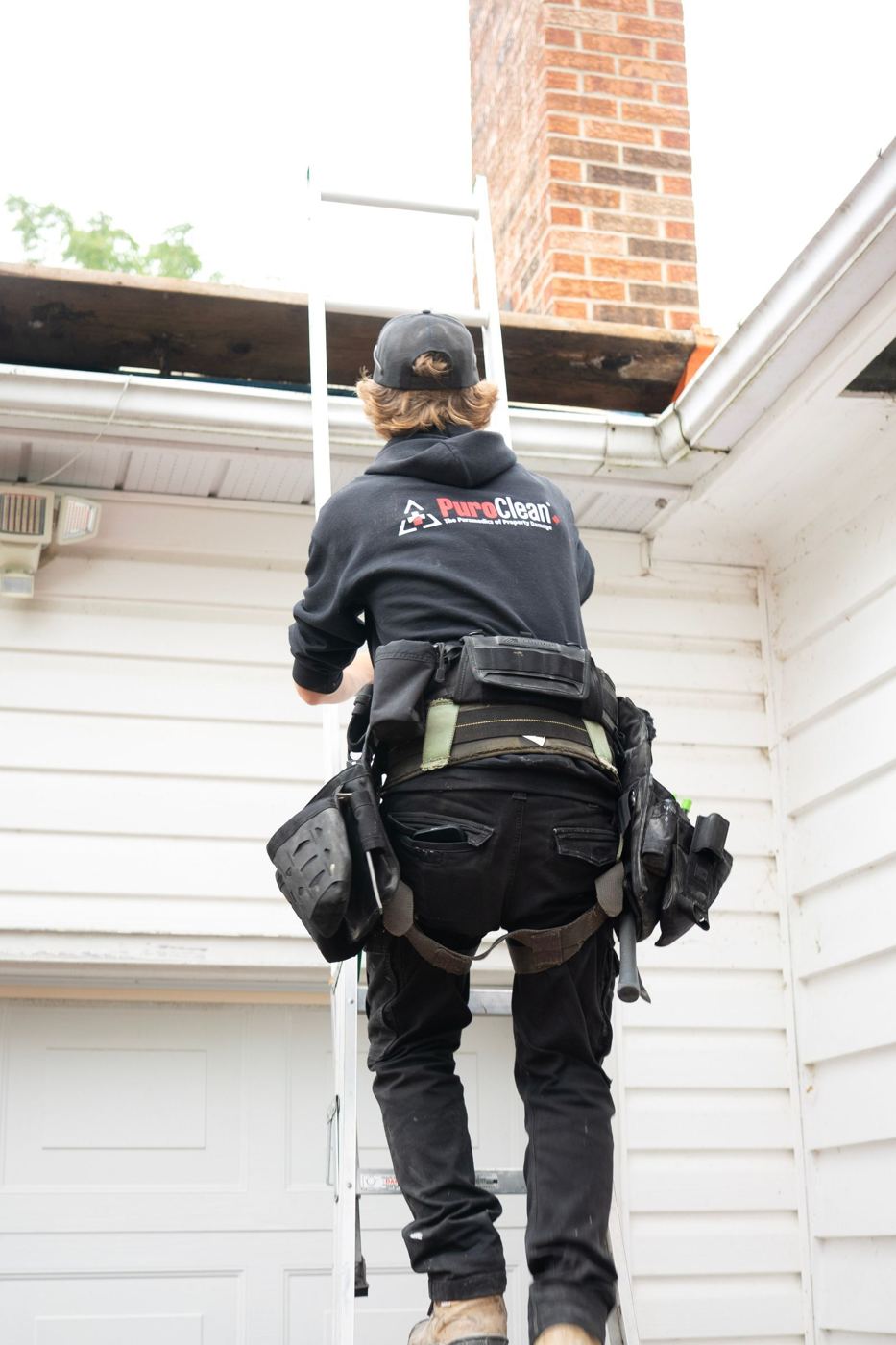
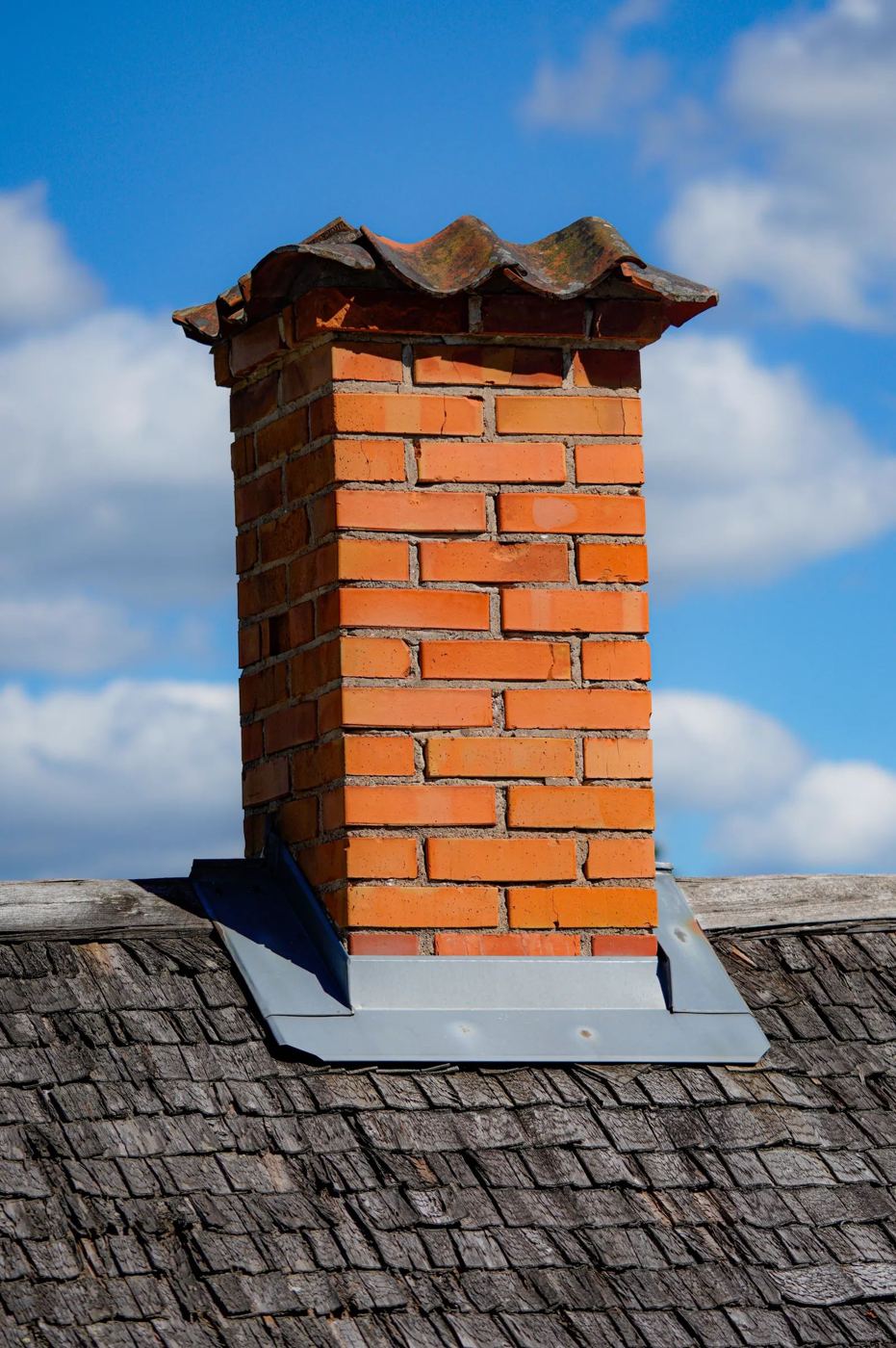
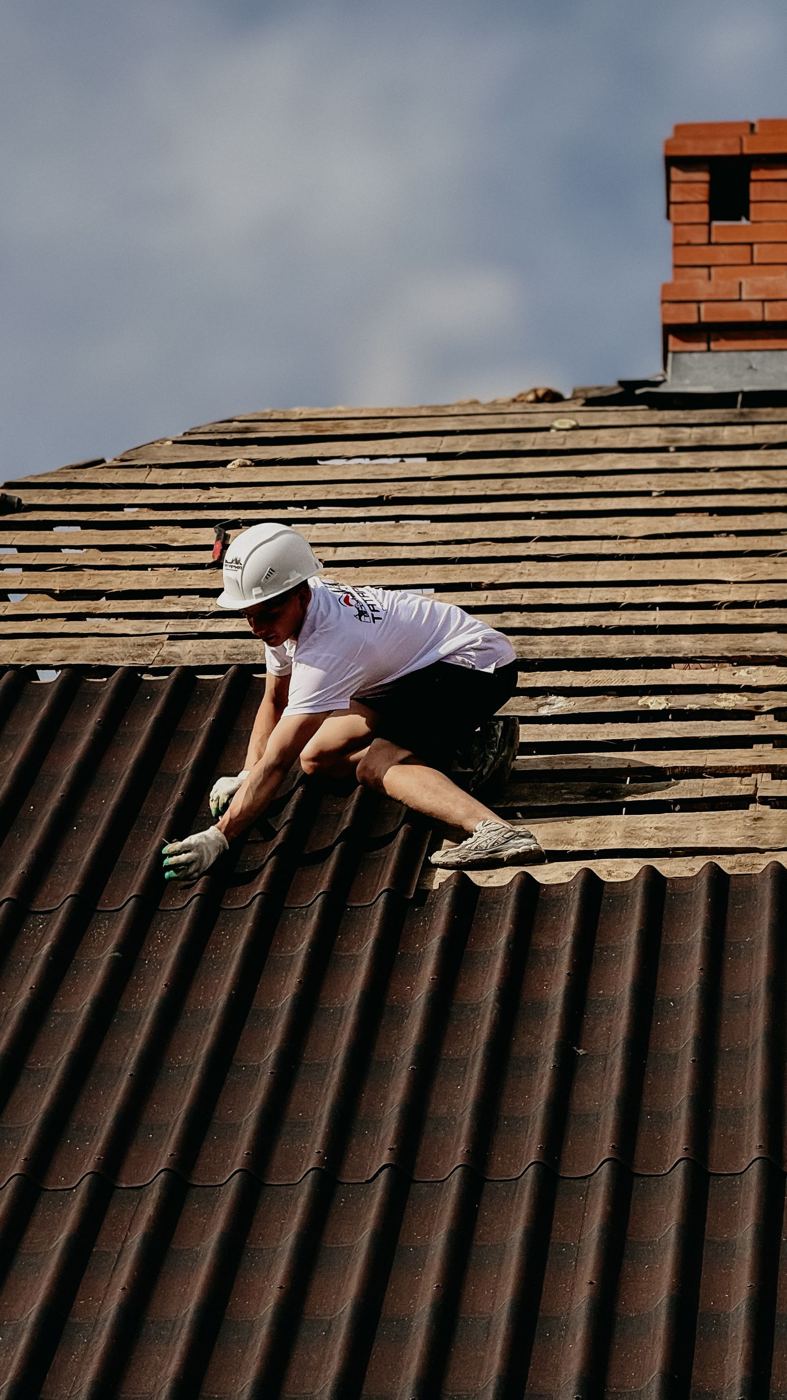
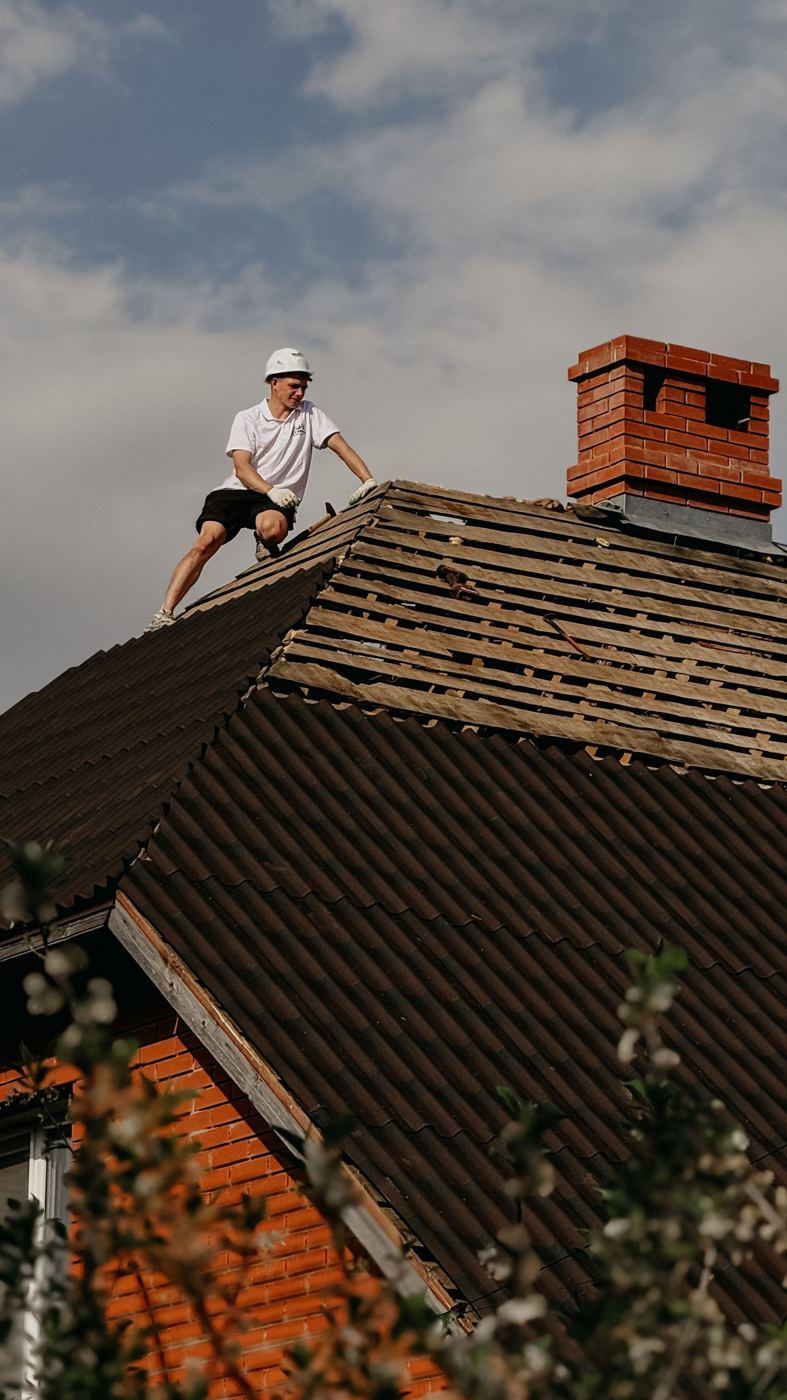
The chimney joint, up closeStep flashing, counter flashing, apron, and saddle — four pieces that have to work as one.Metal fitted to the brickCounter flashing set into the mortar joint laps over the step flashing below it.Failed material comes offLasting repairs start by removing what has failed, not by covering it over.
What a chimney flashing repair covers
The full joint read as a system: crown, mortar, and every flashing layer
Failed step, counter, apron, or saddle flashing repaired or replaced
Mortar joints repointed where they hold the counter flashing
Shingles and underlayment at the chimney base made sound again
A stain beside the fireplace?Water entering at the chimney joint travels along framing before it shows — the mark and the entry are rarely in line.
Sealant split again after summer?San Gabriel Valley heat cycles dry and crack caulk at this joint faster than almost anywhere else on the roof.
The short answer
What is chimney flashing repair, and when does a Covina home need it?
Chimney flashing repair is the work of restoring the layered metal seal where a chimney passes through the roof: step flashing woven with the shingles along both sides, counter flashing anchored in the mortar joints above it, an apron flashing across the front face, and a saddle — sometimes called a cricket — behind the chimney that splits the water flow around it. Each piece laps over the next so water is always handed downhill and outward. Repair means finding which layer has failed and restoring that layer properly, with sound metal and sound mortar, rather than smearing sealant across the whole joint and hoping.
Most calls begin with water where it should not be: a ceiling stain near the fireplace, damp plaster on the chimney breast, or a musty smell in the room after rain. Some of those turn out to be a single failed layer on an otherwise healthy joint, which is the territory of chimney flashing repair. Others reveal metal rusted through on several sides or mortar too far gone to hold new flashing, which is when the conversation moves to chimney flashing replacement. Working out which situation your chimney is in takes a close look at the joint itself, not a guess from the ground.
When you call, expect questions about what you are seeing — where the stain sits, when it appears, how old the house and its last chimney work are — not a sales script. From there, we connect you with an independent local roofing professional. Your provider examines the crown, the mortar, and every flashing run, explains which layer failed and why, and talks through the repair that fits. Any decision about going ahead is made with that information in hand, directly with your provider.
Services
Chimney and flashing services you can be connected with in Covina
The chimney joint is a small area of roof with an outsized share of leaks. These are the services Covina homeowners most often ask to be connected with — from a single failed flashing layer to the crown repair that keeps the whole stack dry.
Chimney Flashing Repair
The core service: finding the failed layer at the chimney joint — step, counter, apron, or saddle — and restoring it with sound metal, sound mortar, and laps that hand water downhill. A proper chimney flashing repair is the right conversation when the joint leaks but the metal is largely sound, when one side of the chimney has let go while the others hold, or when an older caulk-only patch has split for the second or third time. The visit establishes which layer failed, why it failed, and what a lasting fix looks like for your chimney.
When the metal is rusted through, the counter flashing has pulled free all around, or patches have been layered over patches, the honest job is a new flashing system. Chimney flashing replacement strips the old metal back, repairs the mortar it anchors to, and fits a complete, correctly layered joint.
The crown — the sloped cap on top of the chimney — sheds water off the stack itself. When it cracks, the chimney drinks rain from the top down. Chimney crown repair rebuilds or resurfaces that cap and seals the flue edge so the stack stays dry.
Chimneys are the busiest flashing joint, not the only one. Valleys, vent pipes, skylights, and roof-to-wall junctions all depend on metalwork of the same kind. Roof flashing repair covers those joints when a leak traces to flashing beyond the chimney.
Counter flashing is the outer layer, anchored in the mortar joints of the chimney and folded down over the step flashing. It is also the layer most exposed to crumbling mortar, because its hold depends entirely on the joint it sits in. Counter flashing repair reseats or replaces that layer, repointing the mortar where needed, so the whole joint is protected from water running down the face of the brick as well as water running down the roof.
A stain near the chimney usually starts at the flashing — but not always. Roof leak repair traces the water back to its true entry, whether that is the chimney joint, a valley above it, or a failed vent boot, and fixes the source.
Signs your chimney flashing may be letting water in
A failing chimney joint rarely announces itself all at once. It sends small warnings first, usually after rain. If two or more of these sound familiar, it is worth talking through a chimney flashing repair before the next storm season.
A stain near the fireplace
A ring or patch on the ceiling or wall beside the chimney breast that darkens after rain. Water from the joint travels along framing, so the mark may sit a foot or more from the chimney itself.
Rust streaks below the chimney
Orange staining running down the shingles from the chimney base means the flashing metal or its fasteners are corroding — the joint is aging in the open.
Metal lifting at the edges
Flashing corners you can see curling or standing away from the brick from the ground. Every gap is a doorway for wind-pushed rain.
Cracked, split sealant lines
Caulk along the flashing that has dried into a cracked, separated line. In valley heat, sealant is a consumable — when it splits, the joint it was covering is exposed.
Mortar powdering or falling out
Joints above the roofline that crumble when touched, or sand-like grit in the gutters. The counter flashing is only as secure as the mortar holding it.
A cracked chimney crown
Visible cracks across the cap on top of the stack, or pieces of it spalling away. A broken crown lets the chimney soak up water from above.
Any single sign can have a small cause, which is exactly why a close look at the joint beats guessing from the driveway. If water is actively dripping inside during rain, protect the room, note when it happens, and call promptly — a joint that is open today will be open wider after the next hard storm works at it.
In-depth guide
Why chimney joints fail in the San Gabriel Valley — and how a proper repair answers
A chimney joint in Covina works under a particular set of pressures: fierce summer heat, cool nights, dry winds, and winter rain that can arrive in heavy bursts after long dry months. Understanding what those pressures do to brick, mortar, and metal — and what a correctly layered flashing system does about each one — makes the choices in front of you much clearer.
Heat cycles: the daily pressure
Covina summers routinely push attic and roof-surface temperatures far above the air temperature, and the chimney joint sits at the meeting point of materials that move at different rates. Brick and mortar expand slowly and hold heat into the evening; thin flashing metal expands and contracts quickly with every passing hour. Day after day, that difference works at sealant lines, fastener holes, and the mortar grip on the counter flashing. Sealant, which is flexible when new, slowly dries and hardens in this heat until the movement it once absorbed simply tears it open. This is why so many Covina flashing failures are really sealant failures first: the metal underneath may be sound, but the joint was depending on a line of caulk that the climate had already finished.
The mid-century housing stock adds its part. Many Covina chimneys were built with generous brick stacks on single-story and split-level homes, and their original flashing was fitted in an era when surface sealant played a bigger role in the detail than it should. Decades of heat cycles later, those joints are reaching the end of that approach together — which is why one street can produce a run of similar calls in a single season.
Mortar, crowns, and water from above
The second pressure comes from the chimney itself. Mortar joints weather from the outside in: the surface powders, the joint opens, and the counter flashing anchored in it loses its hold a fraction at a time until a hard rain finds the gap. At the very top, the crown — the sloped wash that is supposed to throw water clear of the stack — cracks as it ages and cures unevenly, and each crack lets rain soak into the brickwork. A saturated chimney then feeds damp downward inside the wall of the stack, appearing indoors as a stain that seems to have no entry point on the roof at all. This is the failure mode homeowners find most confusing, and it is why any serious flashing visit includes the crown and the mortar, not just the metal at the base.
Good to know
After a hard rain, a slow look from the ground tells you plenty: sealant lines split along the chimney base, mortar grit washed onto the shingles below the stack, or a new stain line on the brick face. Note the date and which side of the chimney is involved — that small record genuinely helps your provider know where to look first.
How a proper flashing system actually works
A sound joint is a sequence of laps, and each one exists because of a failure the trade has seen before:
Step flashing: individual metal pieces, one for each shingle course along the sides of the chimney, each lapping the one below so water is handed outward onto the shingles, never behind them.
Counter flashing: a separate metal layer anchored into a mortar joint above, folded down to cover the top edge of the step flashing and shed water running down the face of the brick.
Apron flashing: a formed piece across the downhill face of the chimney, lapped over the shingles below it so the front of the joint drains cleanly.
Saddle or cricket: a small peaked structure built behind wide chimneys that splits the water flow around the stack instead of letting it pond against the back face.
Crown wash: the sloped cap on top, overhanging the brick slightly, that throws rain clear of the stack and keeps the chimney itself from drinking.
That layering is what separates a repair that lasts from one that photographs well for a season. Sealant still has a place in the system — as a finishing detail at specific points — but in a proper joint it is never the only thing between the rain and your ceiling. The metal laps do the real work, and they keep doing it after the sealant lines have aged. For the layer that fails most often on Covina's older chimneys, the dedicated page on counter flashing repair explains how the mortar anchor and the metal fold work together.
What happens after the repair
Once the joint is restored, your provider walks the work with you: which layers were renewed, what the mortar and crown needed, and what to watch for in the seasons ahead. You should come away knowing the state of the whole chimney, not just the side that leaked. Simple upkeep is light — keeping leaves and debris from piling against the back of the stack, and having the joint looked at if a stain ever reappears — and a correctly layered joint asks very little beyond that.
Watch out
Be cautious of any figure offered for flashing work before the joint has been examined up close. Whether the fix is one layer or a full system, whether the mortar can hold new metal or needs repointing first, and what the crown needs all change the real shape of the job. Your provider can discuss costs with you directly once the chimney has been looked at properly.
How it works
How it works, from first call to a dry fireplace wall
Four simple steps, and you stay in control of every decision that involves your home and your money.
1
Call and describe the chimney
Call (626) 530-1097 and talk through what you are seeing: where the stain sits, when it appears, the rough age of the house, and any earlier patching you know of.
2
We connect you with a local professional
Based on your situation and your part of Covina, we match your request with an independent local roofing professional, and your provider arranges the visit with you.
3
Your provider reads the whole joint
Your provider examines the crown, mortar, and every flashing layer, compares the indoor evidence with the outdoor joint, and explains which layer failed and what the fix involves.
4
You decide before any work begins
You choose whether and when to go ahead, and your provider carries out the repair you agreed on. No work begins on your chimney until you have approved it with your provider.
To be clear about how this service works: Covina Chimney Flashing is a free referral service. We connect callers with independent local roofing professionals. When you call, we connect you with an independent local roofing professional — we do not repair flashing ourselves. The professionals callers are connected with examine, advise, and carry out any repair you later decide to have done.
Why timing matters
Why a leaking chimney joint rarely improves with waiting
A flashing failure does not pause while you think about it. The same heat cycles that split the sealant keep working the gap wider, and each winter rain that finds the opening wets the decking, underlayment, and framing around the chimney a little more. Water at a chimney joint has an easy downhill path inside the wall of the stack and along the roof deck, so a small entry can quietly damp a much larger area than the stain suggests. Mortar that is powdering this year may release the counter flashing entirely next year, turning a reseat into a rebuild.
What grows quietly is the secondary damage. Decking beside the chimney softens where it stays damp, which loosens the shingles and step flashing fixed to it. Inside, repeated wetting stains and weakens plaster and paint around the fireplace, and the musty smell that comes and goes with the rain becomes a permanent resident. A joint that might have been a measured, single-layer repair in the dry season can become a multi-part job — flashing, decking, mortar, and crown together — once a wet season has worked through it.
None of that is a reason to rush into a decision today. It is a reason to get the information early, while the choice is still yours: have the joint examined, learn which layer has failed and what restoring it involves, and then decide on your own schedule. If the news is that your flashing is sound and the stain has another cause, you have lost nothing but a phone call. If water is already coming in during rain, do not wait for a dry week to start the conversation — call and describe it as it happens.
Cost factors
What affects the cost of a chimney flashing repair
There is no honest single figure for this work, because the job is shaped by which layers have failed and what the mortar and crown need. These are the factors that shape it — providers discuss costs directly with you after the joint has been examined, when the scope is actually known.
Common cost factors
Factor
Why it matters
Which layers have failed
One run of step flashing is a smaller job than a full system of step, counter, apron, and saddle metal renewed together.
Mortar condition
Counter flashing anchors in the mortar joints; joints that need repointing before new metal can be seated add a masonry stage to the work.
Crown condition
A cracked crown is often repaired in the same project, and rebuilding a cap is a different scope from resurfacing a sound one.
Chimney size and roof pitch
Wide stacks need saddles and more custom-formed metal, and steep pitches slow every stage of work at the joint.
Decking and shingles at the base
Material around the chimney that has been wetted by the leak may need renewal along with the flashing itself.
Access and height
Two-story stacks, tight side yards, and fragile tile or aged roofing nearby all shape how the work is staged.
Because these factors combine differently on every chimney — a compact single-story stack in Covina Village and a wide two-story chimney in Covina Hills are different jobs in almost every row of that table — the reliable cost conversation is the one held after the joint has been examined, with its actual scope in front of you both. Ask your provider to walk through how each factor applies to your chimney.
Areas Covered
Neighborhoods covered across Covina
Chimney wear is not spread evenly across the city — it follows the age of the housing, the size of the stacks, and how much sun each roof takes. Here is how it looks in the neighborhoods where callers most often ask to be connected with a local professional.
Downtown Covina
Downtown's older homes and small-lot streets carry some of the city's longest-serving brick chimneys, many patched in layers over the decades. Sealant-era repairs are the common story here. Read more about chimney flashing repair in Downtown Covina, including what layered old joints usually need.
Covina Hills
Up in Covina Hills, larger homes and wider, taller stacks take the full afternoon sun on their south and west faces, and heat cycling works their joints hardest. The page for chimney flashing in Covina Hills covers big chimneys, saddles, and sun-side failure.
Charter Oak
Charter Oak's family neighborhoods mix postwar houses with later additions, and chimneys there are often shared between an original stack and an added fireplace. See chimney flashing repair in Charter Oak for the patterns those mixed-age joints show.
Covina Village
Covina Village's compact mid-century homes have compact chimneys to match — and joints that were often finished with more sealant than metal from the start. The guide to chimney flashing in Covina Village explains what those smaller stacks need as they age.
South Hills
South Hills homes sit at the city's southern edge under open sky, with wind-pushed winter rain arriving across the slopes. Read about chimney flashing repair in South Hills and why driven rain finds the back and side laps of the joint there first.
Everywhere else in Covina
Live outside these five neighborhoods? Covina's chimneys share the same heat, the same winter rain, and the same mid-century building era wherever they stand. If you are seeing the signs — split sealant, powdering mortar, a stain by the fireplace — the same call is the right first step. Head to the contact page or simply call (626) 530-1097 and describe what you are noticing.
Before you call
Before you call: a quick checklist
A minute of looking before you dial makes the first conversation far more useful. None of this is required — but each item helps your provider know where to look first.
Where the stain sits: which room, which wall, and how far the mark is from the fireplace itself — water travels, and the offset is a clue.
When it appears: in every rain, only in hard rain, or only when the wind pushes from a particular direction.
What you can see from the ground: lifted metal, cracked sealant, rust streaks, or mortar grit washed below the chimney.
The crown, if visible: cracks across the top of the stack or pieces missing at its edges, seen with binoculars from the yard.
Any earlier patching: roughly when the joint was last sealed or repaired, and whether the same stain came back afterward.
With those points in hand, you are ready — call (626) 530-1097, walk through them, and we can connect you with an independent local roofing professional who can take the next steps with you.
FAQ
Chimney flashing questions, answered
The questions Covina homeowners ask most when a chimney joint starts showing its age against the valley heat — answered plainly.
What is chimney flashing, and why does it fail?
Chimney flashing is the metal work that seals the joint where a chimney passes through the roof. It is built in layers: step flashing woven into the shingle courses along the sides, counter flashing set into the mortar joints of the chimney, an apron across the front, and a saddle behind the back that diverts water around the stack. It fails when any layer gives way — sealant lines dry and crack in the San Gabriel Valley sun, mortar joints crumble and release the counter flashing, metal fatigues at its bends, or an old repair leaves one layer depending on caulk alone.
What are the first signs my chimney flashing is leaking?
Inside, look for a stain on the ceiling or wall near the chimney breast, peeling paint around the fireplace wall, or a damp, earthy smell in the room after rain. Outside, the early signs are cracked sealant along the flashing edges, gaps where metal has lifted from the brick, rust streaks running down from the chimney base, and mortar that powders or falls out of the joints above the roofline. A stain that grows only in hard, wind-pushed rain usually points at the flashing rather than the field of the roof.
Can flashing be repaired, or does it need to be replaced?
It depends on what has failed. A single cracked sealant line, a lifted corner, or a short run of step flashing in otherwise sound metal can often be repaired properly. When the metal itself is rusted through, the counter flashing has pulled out of crumbling mortar all around, or earlier patches have layered caulk over failing metal on several sides, replacement of the flashing system is the honest answer. Your provider can show you which situation your chimney is in once the joint has been looked at closely.
What is the difference between step flashing and counter flashing?
Step flashing is the series of small metal pieces fitted one per shingle course along the sides of the chimney, so water running down the roof is handed from piece to piece and out over the shingles. Counter flashing is the second, outer layer: metal set into a cut in the mortar joint above, folded down to lap over the step flashing. The counter layer sheds water coming down the face of the brick and shields the top edge of the step layer. The two work as a pair, and a failure in either one lets water behind the other.
What is a chimney crown, and does mine matter to a flashing leak?
The crown is the concrete or mortar cap that tops the chimney, sloped so water runs off its edges — sometimes called the wash. When it cracks, water enters the chimney itself, saturates the brick and mortar from inside, and can appear as damp around the fireplace or as damage that looks like a flashing leak. A cracked crown also speeds up the mortar failure that releases counter flashing. Your provider will look at the crown as part of the same visit, because fixing flashing under a broken crown leaves half the water path open.
Why do Covina chimneys seem to fail in the same places?
Much of Covina's housing was built in the postwar and mid-century decades, and many of its brick chimneys have now spent fifty or more summers cycling between hot afternoons and cool nights. That daily expansion and contraction works sealant lines and mortar joints a little at a time, while intense valley heat dries caulk years faster than it would at the coast. Flashing installed or patched in an earlier era often relied on surface sealant rather than properly layered metal, so whole streets tend to reach the same failure at roughly the same age.
Should I just seal the joint with caulk from a ladder?
Surface caulk is the most common short-term step and the least durable one on this joint. It sits on top of the problem, dries and splits in the heat, and can trap water behind the flashing where it keeps working unseen. It also hides the evidence a professional needs to read the joint properly. If water is actively coming in, a temporary seal is understandable — but treat it as a bridge to a real repair, not the repair itself.
How long does a flashing repair take?
Most single-chimney repairs are measured in hours once the professional is on the roof: removing failed material, fitting new metal, and finishing the joints. Replacement of a full flashing system, or work that includes repointing mortar or rebuilding a crown, takes longer and may be split across visits so mortar and concrete can cure. Your provider can set out a realistic schedule after seeing the chimney, its height, and how the roof around it is built.
What happens during a flashing inspection?
The professional looks at the whole chimney joint as a system: the crown on top, the mortar joints that hold the counter flashing, each run of step and apron flashing, the saddle behind the stack, and the shingles and underlayment where they meet the metal. Inside, any stain is compared with what the roof shows, because the indoor mark and the outdoor entry are rarely in a straight line. You should come away knowing which layer failed, why, and what the repair options are.
Can I be connected with help in my part of Covina?
Yes — we connect callers with independent local roofing professionals across Covina, including Downtown Covina, Covina Hills, Charter Oak, Covina Village, and South Hills, and the streets beyond those as well. Call (626) 530-1097, describe what you are seeing around your chimney, and we can connect you with a local professional.
The joint, read properly
Wondering whether it is the flashing? Start with a straight answer.
Split sealant, powdering mortar, a stain that keeps the rain's schedule — those questions are easy to settle with a close look at the joint and an honest conversation. Call now, describe your chimney, and we will connect you with an independent local roofing professional.